The SimRacing Expo is coming to the United States for the first time, and Pimax is bringing something new to the show.
As introduced at the recent Pimax Launch Event, Dream Air SE is now shipping to customers. For those who want to experience it first-hand, SimRacing Expo Charlotte offers the first public opportunity to try the headset on a proper sim racing rig.
From May 22 to 24, 2026, the first-ever SimRacing Expo USA will take place at the Charlotte Convention Center during Memorial Day Weekend, with the Coca-Cola 600 running at Charlotte Motor Speedway the same weekend.
Dream Air SE makes its public debut
Dream Air SE will make its public debut at the show. For sim racing users who have followed the development of the headset, this is the first chance to experience it in a real racing setup rather than only through product images, videos, or specifications.
The goal is simple: let visitors feel the headset in the kind of environment where performance, comfort, contrast, clarity, and tracking response really matter.
What is Dream Air SE?
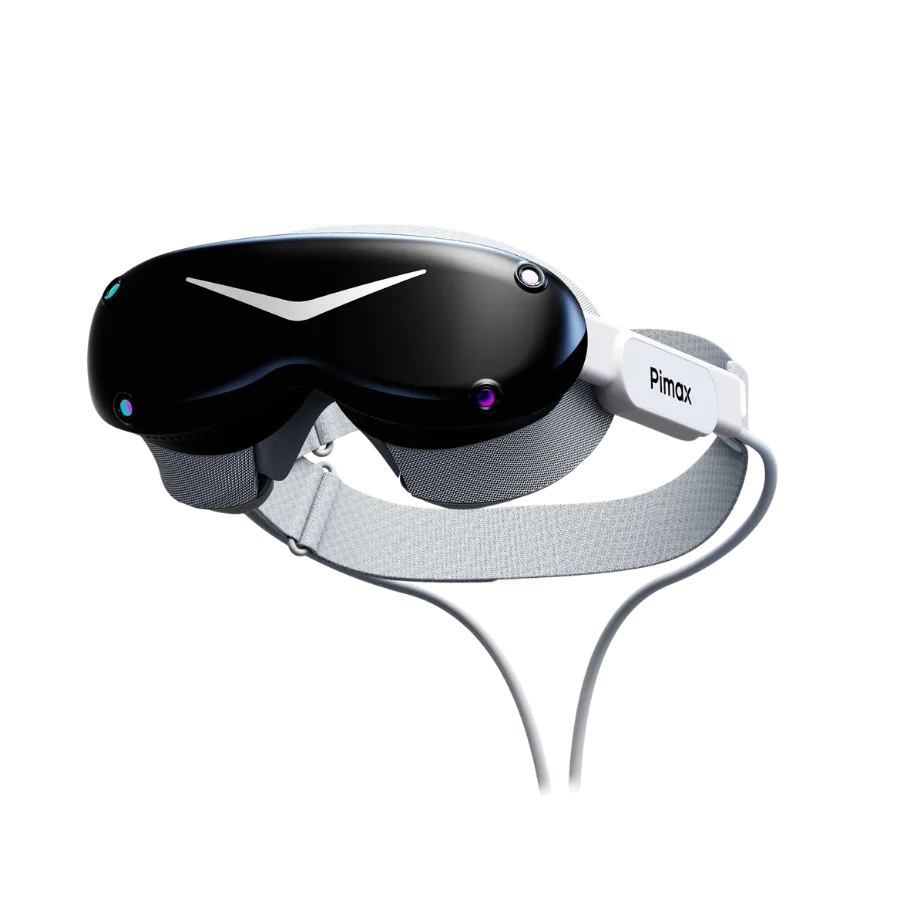
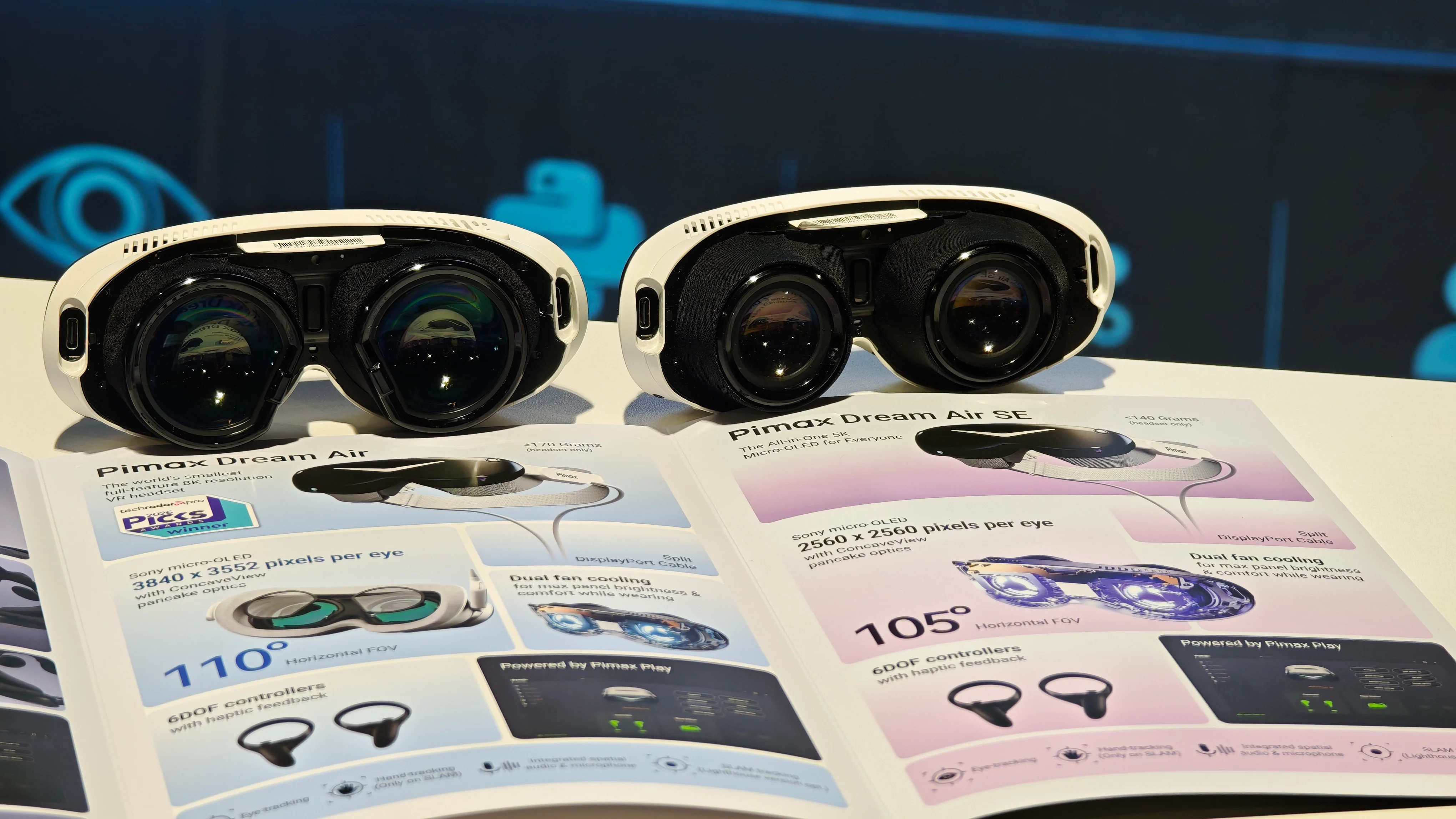
Dream Air SE is the smallest Pimax headset ever made and one of the most accessible high-end PCVR options in the Pimax lineup. It brings micro-OLED display technology, professional-grade eye tracking, and integrated audio into a compact headset design.
The headset uses micro-OLED panels with 2.5K resolution per eye, delivering 5120 x 2560 total resolution. Because individual pixels can turn off completely, micro-OLED can produce true blacks, an important advantage for sim racing scenarios such as night races, cockpit shadows, and darker driving environments.
Pimax has also refined the pancake lens design for this panel, focusing on edge-to-edge clarity and a wide sweet spot. For long racing sessions, comfort is equally important: Dream Air SE features a lightweight form factor, an updated facemask that covers more of the forehead, and dual-fan cooling with one fan per panel to help maintain full brightness without overheating.
Built for performance-focused simulation
Dream Air SE includes Tobii eye tracking with ten infrared lights per eye. This enables dynamic foveated rendering, which can significantly improve performance in supported simulation titles. For users already running Lighthouse base stations, the Lighthouse version can fit directly into an existing setup. A SLAM version with inside-out tracking is also available for users who do not use base stations.
For sim racers, these details matter. Visual clarity, cockpit readability, stable tracking, comfort, and performance can all affect how natural and convincing the driving experience feels.
Where to try it
Visitors will be able to find Pimax headsets and Pimax staff at the booths of four hardware partners:
- Podium1
- TrakRacer
- DOF Reality
- Fanatec
Each partner will run a different rig configuration, giving visitors the opportunity to experience Dream Air SE across different frames, motion platforms, seat positions, and hardware environments. This creates a more realistic impression than a single fixed demo station.
Talk to the Pimax team
Pimax staff will be present throughout the weekend. Whether visitors are trying VR on a sim rig for the first time or already have years of VR racing experience, the team will be available to answer questions, collect feedback, and discuss Dream Air SE as well as VR sim racing more broadly.
The event is not only about handing out headsets for short demos. It is also an opportunity to hear directly from the sim racing community.
Event details
Dream Air SE
A compact micro-OLED PCVR headset built for comfort, clarity, and performance-focused immersive experiences.
- Micro-OLED panels
- 2.5K per eye
- Tobii eye tracking
- Integrated audio
- Lightweight design
- Lighthouse and SLAM options